Featured Products

New Products

News

  • What Makes a Portable Smart Gas Detector Essential for Workplace Safety?

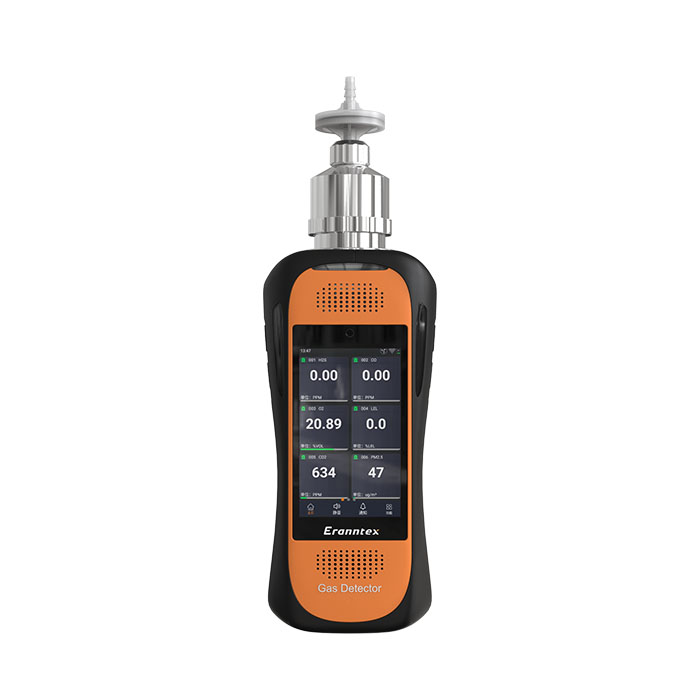
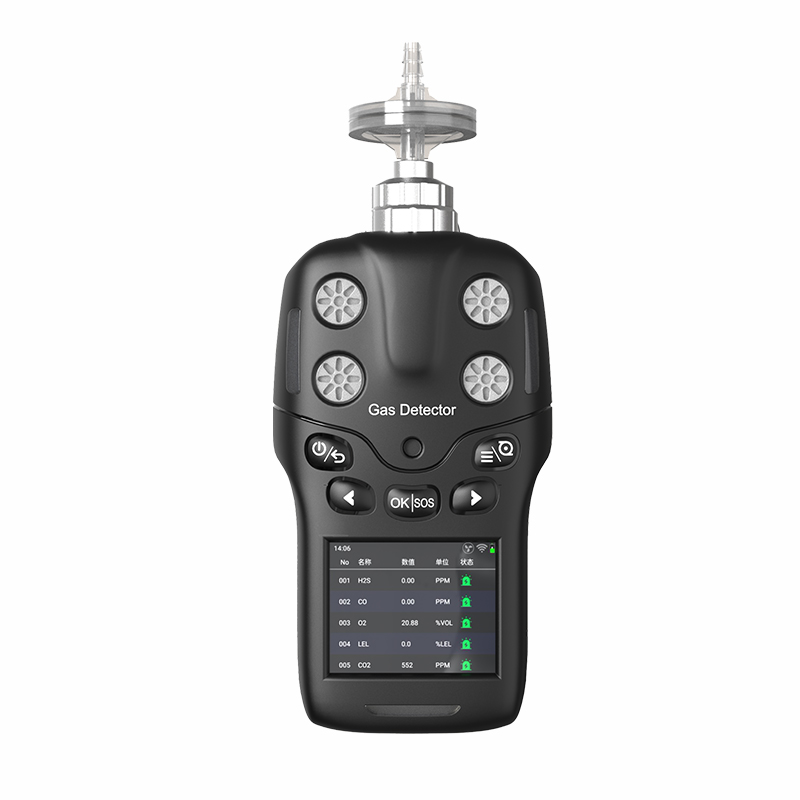
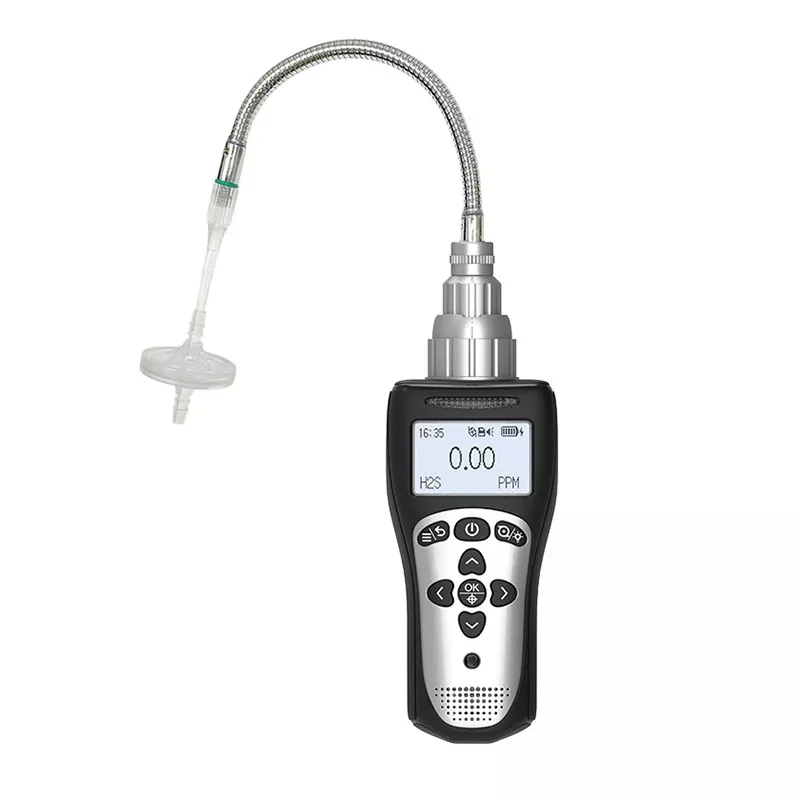
    A portable smart gas detector helps workers identify potentially hazardous gas concentrations in industrial facilities, commercial buildings, maintenance areas, and other environments where air quality can change unexpectedly. However, choosing the right device involves more than comparing prices or counting sensors.

  • What Makes a Portable Nitrogen Dioxide Detector Essential for Industrial Safety?

    ​Nitrogen dioxide (NO₂) is a toxic gas that can be released by combustion processes, industrial operations, diesel engines, and certain chemical reactions. Because exposure may pose serious risks to human health, monitoring NO₂ concentrations is an important part of workplace safety and environmental management. A Portable Nitrogen Dioxide Detector helps operators identify potentially hazardous gas levels directly in the field, enabling faster responses to changing conditions.

  • How Does a Smart Digital Clinical Thermometer with Rigid Tip Improve Temperature Measurement?

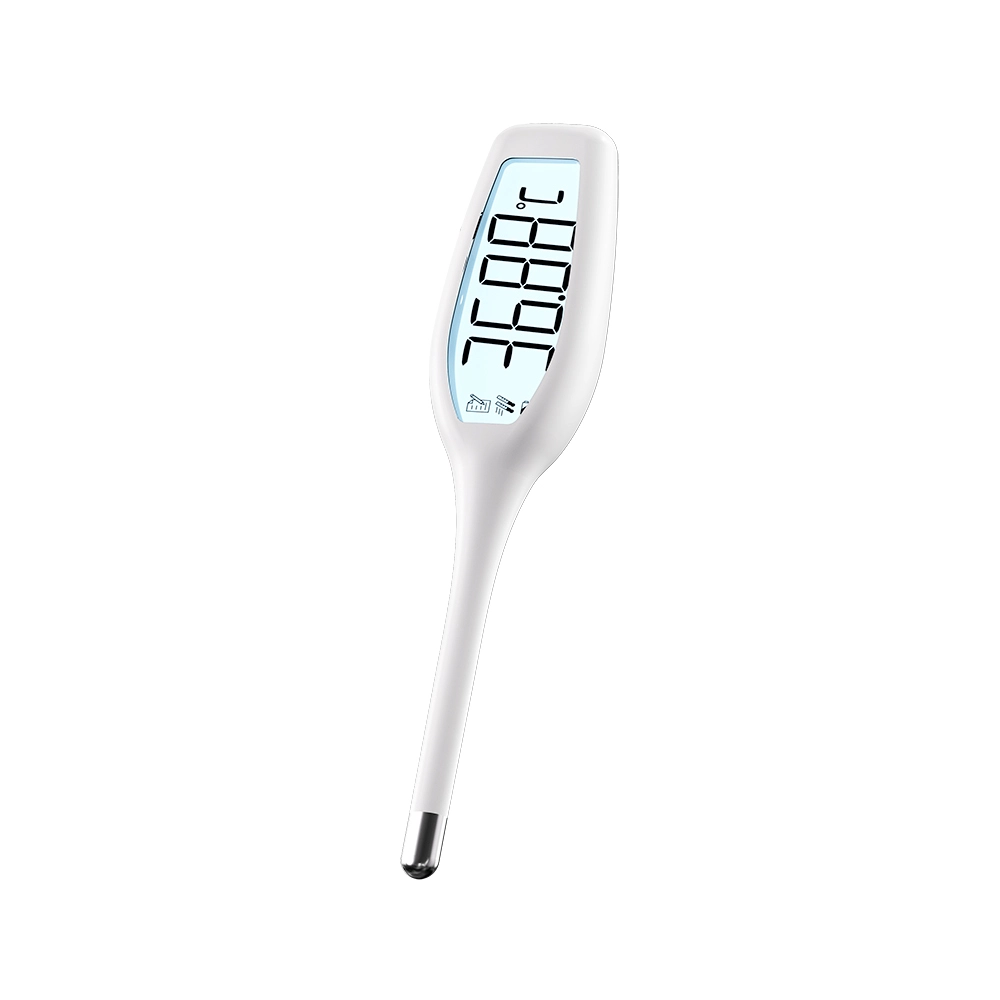
    ​A reliable temperature measurement is essential for daily health monitoring, clinical examinations, and routine patient care. As healthcare facilities and medical device distributors seek practical, easy-to-use products, the Smart Digital Clinical Thermometer with Rigid Tip has become a valuable option for applications that require convenient operation, clear readings, and consistent measurement performance. By combining digital technology with a rigid probe design, this type of thermometer supports efficient temperature checks in hospitals, clinics, pharmacies, and home healthcare settings.

  • Does a Low Breville BES870 Pressure Gauge Reading Mean My Pump Is Failing

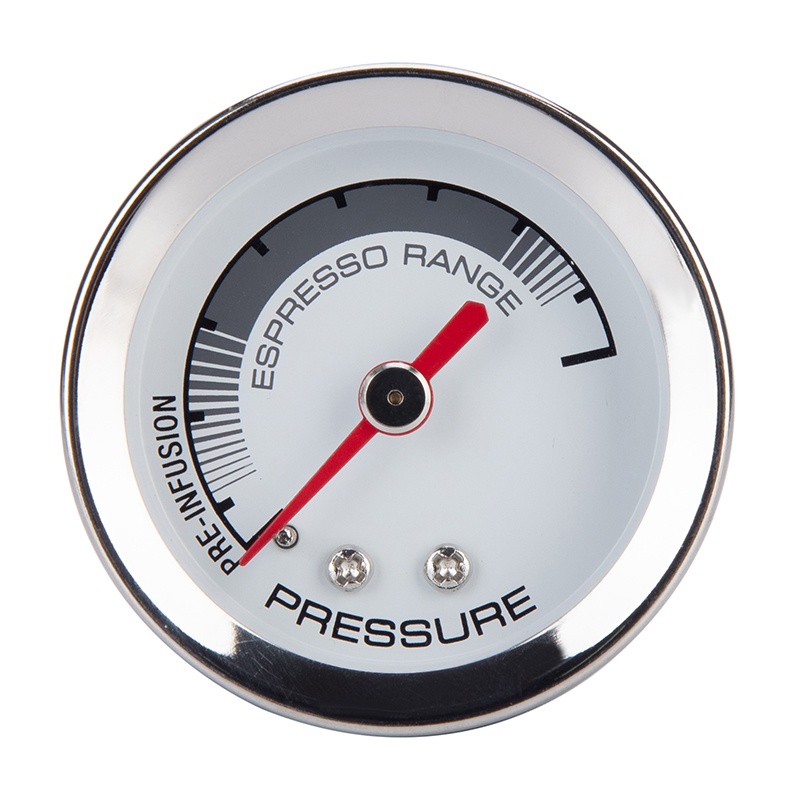
    For home baristas, the Breville BES870 pressure gauge is the single most visual indicator of extraction health. When that needle stays stubbornly low—hovering near the bottom of the espresso range or failing to rise at all—panic often sets in. The immediate assumption is pump failure. But is that diagnosis always correct? This guide dissects every possible cause, separates myth from mechanical reality, and gives you a step-by-step forensic approach before you order a replacement pump.

  • How Does a Pump-type CO Detector Improve Marine Safety and Detection Performance?

    ​Carbon monoxide (CO) is a colorless, odorless, and highly dangerous gas that can accumulate in enclosed environments such as ship cabins, engine rooms, cargo spaces, and offshore facilities. Because CO exposure can happen quickly and silently, reliable detection equipment is essential for protecting crew members and maintaining operational safety. A Pump-type CO Detector provides an advanced solution by actively collecting gas samples through a built-in pump system, allowing faster and more accurate monitoring even in difficult-to-access areas.

  • Does a Tap Water Disinfection Electrolytic Sodium Hypochlorite Generator Increase pH Levels in Drinking Water Systems

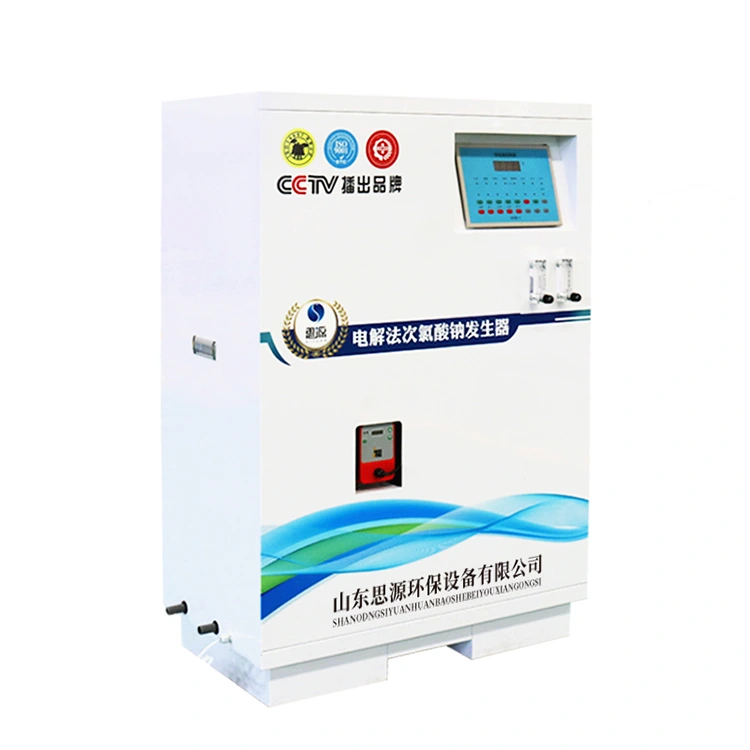
    For water treatment professionals, the pH shift question is one of the most frequently debated technical concerns when switching from gaseous chlorine to on-site generation. A Tap Water Disinfection Electrolytic Sodium Hypochlorite Generator does not simply produce free chlorine—it also generates sodium hydroxide (NaOH) as a coproduct.

  • Can an LCD Digital Magnetic Hotplate Stirrer Accurately Maintain Temperature with Viscous Samples

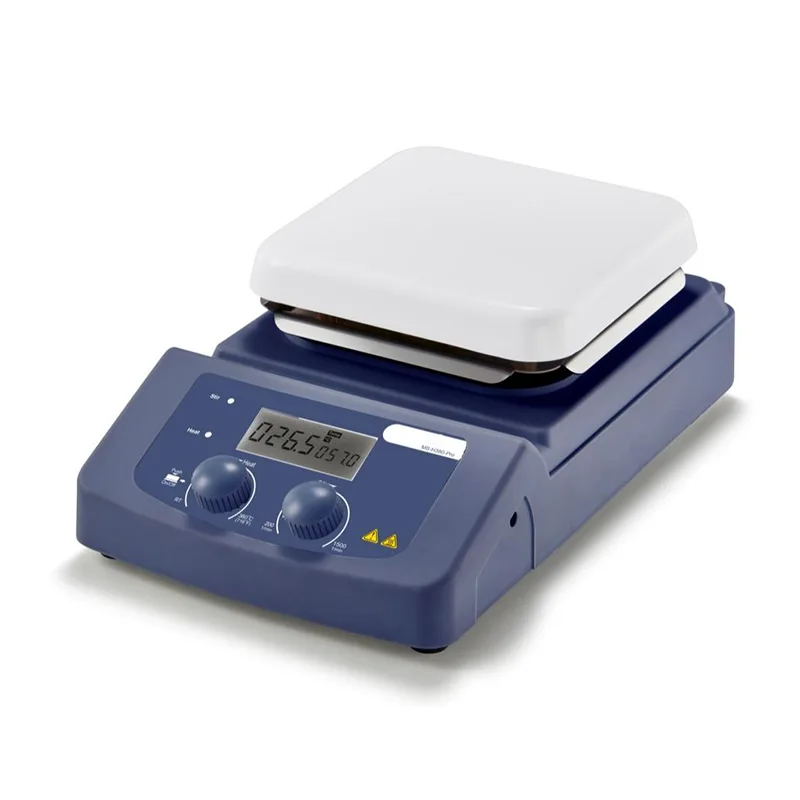
    For researchers working with polymer solutions, thickened oils, or biological hydrogels, temperature control is rarely straightforward. Unlike aqueous buffers, viscous fluids resist convection, trap heat unevenly, and delay sensor response. This is where a high-performance LCD Digital Magnetic Hotplate Stirrer becomes indispensable.

  • How Often Should You Recalibrate a 1P Rail Voltage Meter for Compliance

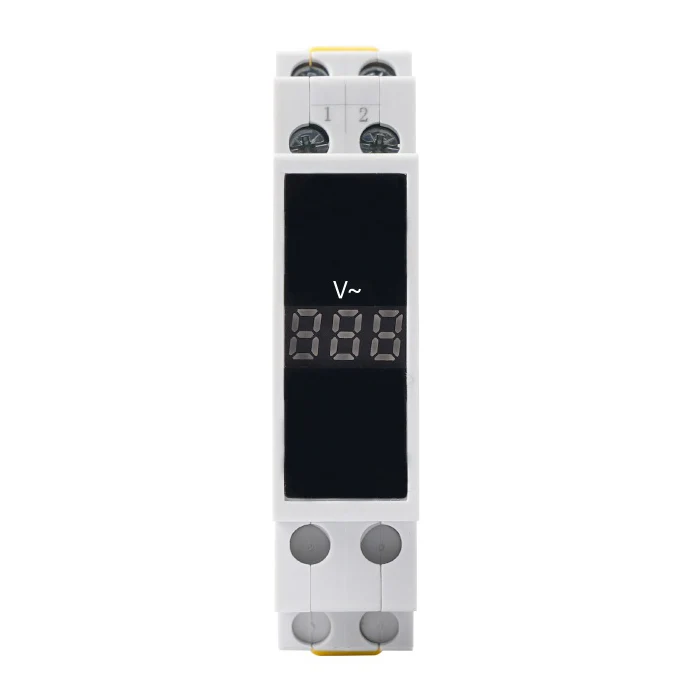
    In railway signaling, traction power monitoring, and industrial track electrification, the 1P Rail Voltage Meter serves as a critical instrument for verifying live rail potential, stray current detection, and safety interlock validation. For asset managers and maintenance engineers, the single most frequent compliance question is not about accuracy alone—it is about calibration interval. With SINGI’s field-proven instrumentation, the answer depends on operating environment, regulatory framework, and historical drift data, not on a one-size-fits-all calendar rule.

Leave Your Message

  • Click Refresh verification code