

Why Is Winding Resistance Test Essential for Power Transformers?
2026-06-29
The reliability and efficiency of electrical power systems depend heavily on the condition of transformers and large rotating machines. Among the most critical diagnostic methods used in preventive maintenance is the Winding Resistance Test, a fundamental electrical test designed to evaluate the integrity of transformer windings and detect hidden faults such as loose connections, broken strands, or contact resistance issues. For manufacturers, utilities, and maintenance engineers, understanding this test is essential for ensuring long-term system stability and operational safety.
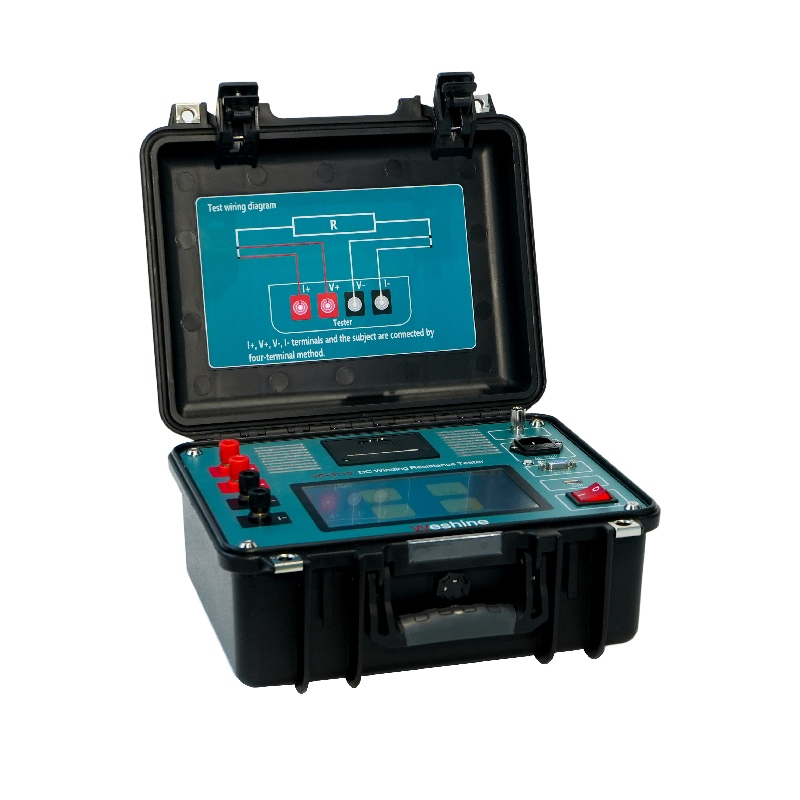
What is Winding Resistance Test?
The Winding Resistance Test is a diagnostic procedure used to measure the DC resistance of transformer or motor windings. The main objective is to verify that the electrical path through the winding is continuous and within acceptable limits.
It helps in identifying:
- Loose or corroded connections
- Shorted turns or open circuits
- Poor brazing or joint defects
- Imbalance between phases
By comparing measured resistance values with factory data or previous records, engineers can detect early-stage deterioration before it leads to failure.
Why Winding Resistance Test Matters
The importance of the Winding Resistance Test lies in its ability to detect problems that are not visible through other electrical tests. Even small variations in resistance can indicate serious underlying issues.
Key importance includes:
- Ensuring transformer efficiency
- Preventing unexpected breakdowns
- Reducing maintenance costs
- Improving operational safety
- Extending equipment lifespan
Without this test, many internal defects would remain hidden until catastrophic failure occurs, leading to costly downtime and equipment damage.
How Does the Winding Resistance Test Work?
The test is typically performed using a DC resistance measuring instrument that injects a stable current into the winding and measures the resulting voltage drop.
Basic Procedure:
- Disconnect the transformer from power supply
- Demagnetize the core if necessary
- Apply DC current to the winding
- Measure voltage drop across terminals
- Calculate resistance using Ohm's Law
- Compare results with reference values
The process must be carried out carefully, as windings have inductive properties that require stabilization time before accurate readings are obtained.
Applications of Winding Resistance Test
The Winding Resistance Test is widely used across various electrical industries. Below is a simple overview:
| Application Area | Purpose of Testing |
|---|---|
| Power Transformers | Detect winding deformation or faults |
| Electric Motors | Verify rotor and stator integrity |
| Generators | Ensure phase balance and connection quality |
| Industrial Maintenance | Prevent unexpected equipment failure |
| Manufacturing QC | Validate production quality standards |
This versatility makes it one of the most commonly performed diagnostic tests in electrical engineering.
Advantages of Winding Resistance Test
The test offers several technical and operational benefits:
- High Accuracy Detection: Identifies subtle defects early
- Cost-Effective Maintenance: Reduces repair and replacement costs
- Safety Improvement: Prevents hazardous electrical failures
- Easy Comparison: Results can be benchmarked over time
- Non-Destructive Testing: Does not damage equipment
These advantages make it a standard requirement in preventive maintenance programs worldwide.
Role of Advanced Testing Equipment
Modern electrical testing relies heavily on precision instruments. High-quality devices ensure accurate measurement, faster testing cycles, and improved data reliability.
Weshine Electric Manufacturing Co., Ltd. is a professional manufacturer specializing in electrical testing and diagnostic equipment, including advanced solutions for Winding Resistance Test applications. With continuous innovation and strict quality control, the company supports utilities, laboratories, and industrial users in achieving reliable transformer diagnostics and efficient maintenance workflows.
Conclusion
The Winding Resistance Test plays a vital role in ensuring the health, efficiency, and safety of transformers and rotating electrical machines. From detecting hidden faults to improving operational reliability, this test is an essential part of modern power system maintenance strategies.
As electrical systems continue to grow in complexity, the demand for accurate and reliable testing equipment becomes even more critical. Partnering with experienced manufacturers like Weshine Electric Manufacturing Co., Ltd. ensures access to advanced technology and dependable solutions for all winding resistance testing needs.
For more professional guidance or product information, contact us today and discover how we can support your electrical testing requirements with precision and expertise.