

What Makes a Pump-Type Carbon Monoxide Detector Ideal for Boats and Cabins
2026-03-06
When it comes to safety in compact, enclosed environments like a marine vessel or a remote cabin, standard safety alarms often fall short. The unique architecture of these spaces—filled with nooks, engine compartments, and sleeping quarters—requires a more proactive safety solution. This is precisely why a Pump-type CO Detector has become the gold standard for off-grid living and boating. At Eranntex, we specialize in advanced sensing technology that ensures you are alerted to danger before it spreads, making the Pump-type CO Detector an indispensable tool for every adventurer.
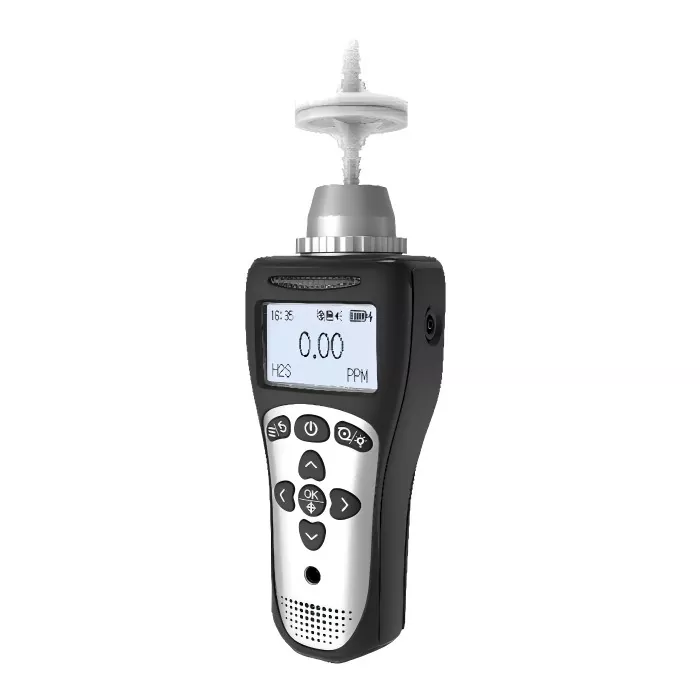
The Core Advantage: Active Air Sampling
Unlike traditional plug-in units that rely on passive diffusion (waiting for air to drift into the sensor), a Pump-type CO Detector actively draws air into the device. This mechanism allows for the early detection of carbon monoxide from remote areas of a boat or cabin, such as a bilge or a generator room, long before it reaches the living quarters.
Why Standard Detectors Fail in These Environments
-
Air Stratification: In boats, cold air sinks and warm air rises, trapping CO in low areas.
-
Distance from Source: Cabins often have wood stoves in corners; sensors must be placed near sleeping areas, missing leaks near the source.
Technical Specifications: Eranntex Pump vs. Standard Detector
To understand why the Eranntex Pump-type CO Detector excels in marine and rural settings, let’s look at the hard data:
| Feature | Standard Passive Detector | Eranntex Pump-Type Detector |
|---|---|---|
| Sampling Method | Passive Diffusion | Active Aspiration (Pump) |
| Detection Speed | Slow (Depends on airflow) | Immediate (Air is forced in) |
| Ideal Location | Bedrooms, Hallways | Engine Rooms, Cabins, RVs |
| False Alarm Rate | Higher (Humidity/Dust) | Low (Sealed sensor chamber) |
| Power Efficiency | Standard Battery | Optimized Pump Cycle |
Key Benefits for Boats and Cabins
Choosing an Eranntex Pump-type CO Detector ensures you are covered in three critical ways:
-
Early Warning in Cold Climates: Cabins are sealed tight in winter. A slow leak from a wood stove can fill a room overnight. The active pump samples air continuously, providing the earliest possible warning.
-
Corrosion and Moisture Resistance: Marine environments destroy electronics. Eranntex units are designed with sealed components to handle the humid, salty air of a boat cabin.
-
Multi-Room Coverage: One Pump-type CO Detector can protect a sleeping loft and a main floor kitchen if strategically placed, whereas passive detectors only protect the immediate room.
Frequently Asked Questions
To further clarify the technical superiority of this equipment, here are answers to common queries regarding Pump-type CO Detector technology.
How does a Pump-type CO Detector work differently in a boat compared to a house?
In a boat, carbon monoxide is heavier than air and tends to accumulate in the bilge or the aft cabin first. A standard detector placed on a countertop may not sense this gas until it is too late. A Pump-type CO Detector, however, uses a small motor to draw air from these lower, stagnant areas through a tube directly into the sensor chamber. This allows the Eranntex unit to detect "fumes" from a generator or engine leak at the source, providing critical seconds for evacuation.
Can a Pump-type CO Detector withstand the temperature swings of a seasonal cabin?
Yes, absolutely. One of the main failure points for electrochemical sensors is extreme temperature fluctuation, which causes condensation inside the device. High-quality Pump-type CO Detector models, like those from Eranntex, are engineered with thermal compensation and water-resistant casings. The pump mechanism is also designed to cycle on and off to conserve battery during freezing temperatures, ensuring the sensor remains operational and free from internal frost damage when you return for the weekend.
Is a Pump-type CO Detector more prone to false alarms due to dust or bugs?
Interestingly, it is the opposite. Standard detectors have an open sensor that dust, cooking grease, and insects can enter, causing nuisance alarms. A Pump-type CO Detector usually houses the sensor in a sealed cell. The air is pulled in through a fine filter before it reaches the sensor. This means dust and bugs are trapped before they can contaminate the sensitive electronics, resulting in a much more stable and reliable safety device in the dusty environment of a cabin or the sandy environment of a boat deck.
Conclusion
Your safety in remote locations should never be left to chance or outdated equipment. Whether you are navigating rough seas or enjoying a quiet night in a mountain cabin, the air quality can change in an instant. Equip your space with the reliable, active protection of an Eranntex Pump-type CO Detector.
Don't wait until it's too late. Secure your peace of mind today.
Contact us to find the perfect Eranntex Pump-type CO Detector for your marine or off-grid lifestyle.