

What Is the Difference Between Portable and Fixed CO2 Gas Detectors
2026-03-13
When monitoring air quality or industrial safety, choosing the right equipment is critical. The primary decision often comes down to mobility versus continuous surveillance. Understanding the difference between portable and fixed CO2 gas detectors is essential for ensuring safety and compliance. At Eranntex, we specialize in providing both monitoring solutions, but selecting the right one depends entirely on your specific environment and risks.
Core Functional Differences
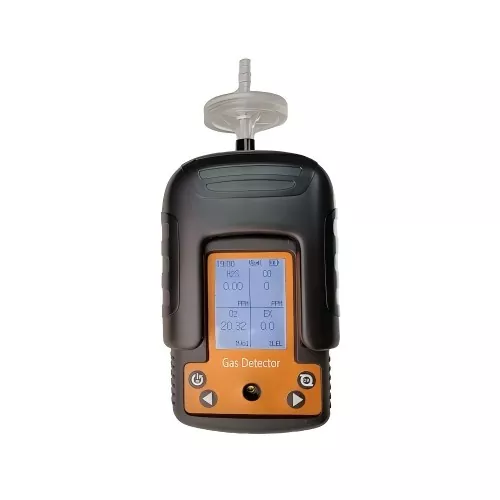
To put it simply, a Portable CO2 Gas Detector is a mobile device designed for personal safety and spot-checking, while a fixed system is a stationary unit designed for perimeter monitoring. The table below breaks down their primary characteristics:
| Feature | Portable CO2 Gas Detector | Fixed CO2 Gas Detector |
|---|---|---|
| Mobility | High; worn on the body or carried. | None; mounted permanently. |
| Power Source | Rechargeable batteries. | Hardwired to the facility mains. |
| Data Logging | On-device storage; manual download. | Continuous feed to a central control panel. |
| Best Use Case | Confined space entry, personal safety. | Breweries, plant rooms, HVAC systems. |
| Alert Type | Localized vibration, sound, and light. | Remote alarms, automatic exhaust fans. |
Advantages of a Portable CO2 Gas Detector
A Portable CO2 Gas Detector is indispensable for workers who move between different zones. If you are entering a fermentation cellar or a storage tank, you need a device that moves with you. Eranntex portable units are designed to provide real-time feedback exactly where you are, ensuring that the air you are breathing right now is safe. They are also cost-effective for small businesses that need to monitor multiple locations without installing dozens of fixed units.
The Role of Fixed Systems
In contrast, fixed systems are the sentinels of your facility. They are ideal for monitoring high-risk areas continuously, such as a bottling line or a crowded office space. Unlike a Portable CO2 Gas Detector, which relies on a human to be present, a fixed unit can trigger ventilation systems automatically. However, they cannot protect a worker who has left the designated safe zone to perform maintenance.
FAQ: Portable CO2 Gas Detector
To help you further understand the utility of mobile devices, here are three frequently asked questions regarding the Portable CO2 Gas Detector.
Q: How often should I calibrate my Portable CO2 Gas Detector?
A: Calibration frequency depends on usage and manufacturer guidelines, but generally, you should perform a bump test before each day's use. A full calibration should be conducted every 3 to 6 months. At Eranntex, we recommend following the manual’s schedule to ensure the sensor’s accuracy remains intact, as sensor drift over time can lead to false readings or missed hazards.
Q: Can a Portable CO2 Gas Detector be used for confined space entry?
A: Yes, absolutely. In fact, a Portable CO2 Gas Detector is mandatory for confined space entry in most safety regulations. Because CO2 is heavier than air, it can accumulate in low-lying areas like basements or tanks. You must use a portable unit with a built-in pump and a probe to sample the air before you enter, ensuring the atmosphere is safe from top to bottom.
Q: What is the typical battery life of an Eranntex Portable CO2 Gas Detector?
A: Battery life varies by model and usage of features like pumps or backlighting. However, most modern Portable CO2 Gas Detector units, including those from Eranntex, are designed to last a full 8 to 12-hour shift on a single charge. We always advise users to check the battery status before beginning any hazardous work to avoid a device shutdown during critical monitoring.
Making the Right Choice
Ultimately, these devices are not mutually exclusive. A robust safety protocol often uses fixed systems for area monitoring and a Portable CO2 Gas Detector for personal protection. Whether you need the flexibility of a handheld unit or the constant vigilance of a fixed installation, choosing a reliable brand ensures accuracy.
If you are unsure which solution fits your needs, or if you want to upgrade your current safety equipment, we are here to help.
Contact us today at Eranntex for a free consultation on the best gas detection system for your specific work environment.