

What Is the Difference Between Fixed and Portable Gas Detectors
2026-02-04
Ensuring workplace safety in environments with potential gas hazards is non-negotiable. A critical component of any safety strategy is reliable gas detection. Two primary solutions dominate this field: Fixed Gas Detector systems and portable devices. Understanding their distinct roles is key to building a comprehensive safety program. As a leader in advanced sensing technology, Eranntex provides robust solutions in both categories, engineered for precision and reliability.
The core difference lies in their application and installation. A Fixed Gas Detector is permanently installed in a specific location to provide continuous, area-based monitoring. In contrast, a portable gas detector is a mobile device carried by personnel for personal safety during surveys, confined space entry, or leak investigation.
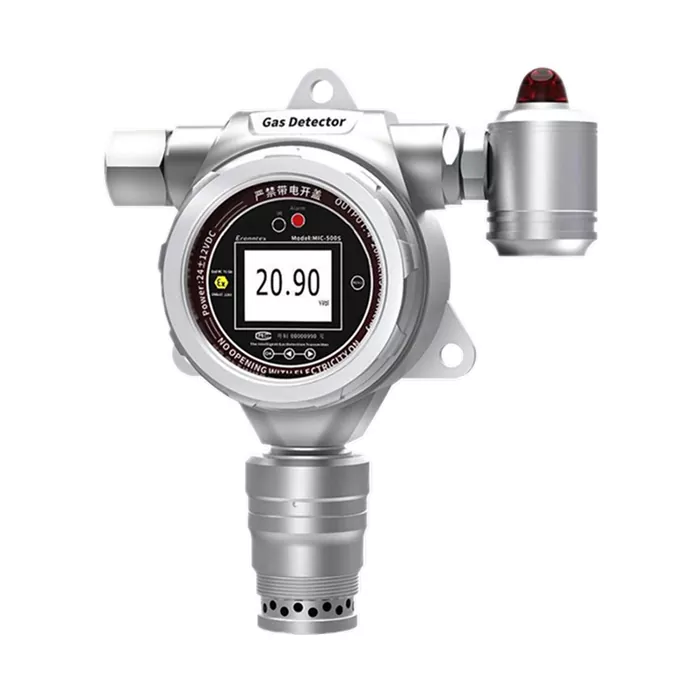
Key Differences at a Glance:
The following table summarizes the primary distinctions:
| Feature | Fixed Gas Detector | Portable Gas Detector |
|---|---|---|
| Installation | Permanently mounted in strategic locations. | Carried or worn by an individual. |
| Power Source | Main-powered with battery backup. | Rechargeable or disposable batteries. |
| Monitoring Scope | Continuous, 24/7 protection of a fixed area. | Intermittent, personal exposure monitoring. |
| Data Logging | Centralized system logging for trend analysis. | Local data logging for specific tasks. |
| Primary Purpose | Early warning of gas leaks for plant & personnel safety. | Personal safety in unpredictable or mobile work scenarios. |
Choosing the Right Solution:
-
Opt for a Fixed Gas Detector system from Eranntex when you need:
-
Uninterrupted monitoring of known hazard points.
-
Automatic activation of ventilation or shut-down systems.
-
Centralized data for compliance and process oversight.
-
-
Choose an Eranntex portable detector for:
-
Personnel entering potentially hazardous atmospheres.
-
Leak detection and spot-checking in different locations.
-
Confined space entry permits and personal alarm functions.
-
They are not mutually exclusive but are complementary. A Fixed Gas Detector provides the first line of defense, while portable units offer critical mobility and personal protection.
Fixed Gas Detector FAQ
What gases can a fixed system detect?
A well-designed Fixed Gas Detector system from Eranntex can be configured to monitor a wide range of gases, including combustible gases (methane, propane), toxic gases (CO, H2S, Cl2), and oxygen levels, using specific sensor technologies for each hazard.
How often does a fixed detector require maintenance?
Regular maintenance is crucial for reliability. This typically includes a functional "bump test" monthly and a full calibration at least every six months, as per manufacturer guidelines and operational risk assessments. Eranntex systems feature advanced diagnostics to simplify upkeep.
Can fixed detectors communicate with other safety systems?
Absolutely. Modern Eranntex Fixed Gas Detector units are designed to integrate seamlessly. They transmit real-time data via 4-20 mA, Modbus, or wireless protocols to central control rooms, PLCs, and fire & gas panels, enabling automatic emergency responses.
Building a safe facility requires the right combination of permanent and mobile monitoring. By integrating reliable Eranntex Fixed Gas Detector systems with our advanced portable instruments, you create a layered defense that protects both assets and personnel. For a tailored assessment of your gas detection needs and to explore how Eranntex solutions can enhance your safety protocol, contact us today for a professional consultation.