

What Is an Aerosol Photometer and Why Is It Essential for Accurate Aerosol Measurement?
2026-03-13
In modern environmental monitoring, cleanroom validation, and industrial safety testing, accurate detection of airborne particles is critical. One of the most reliable instruments used for this purpose is the Aerosol Photometer. Designed to measure aerosol concentration in real time, this advanced device plays a key role in filtration efficiency testing, leak detection, and air quality monitoring. Companies like Beijing Zetron Technology Co., Ltd. are dedicated to developing high-precision aerosol measurement solutions that support industries requiring strict air purity standards. By using an Aerosol Photometer, organizations can ensure that filtration systems operate efficiently and comply with international safety and environmental regulations.
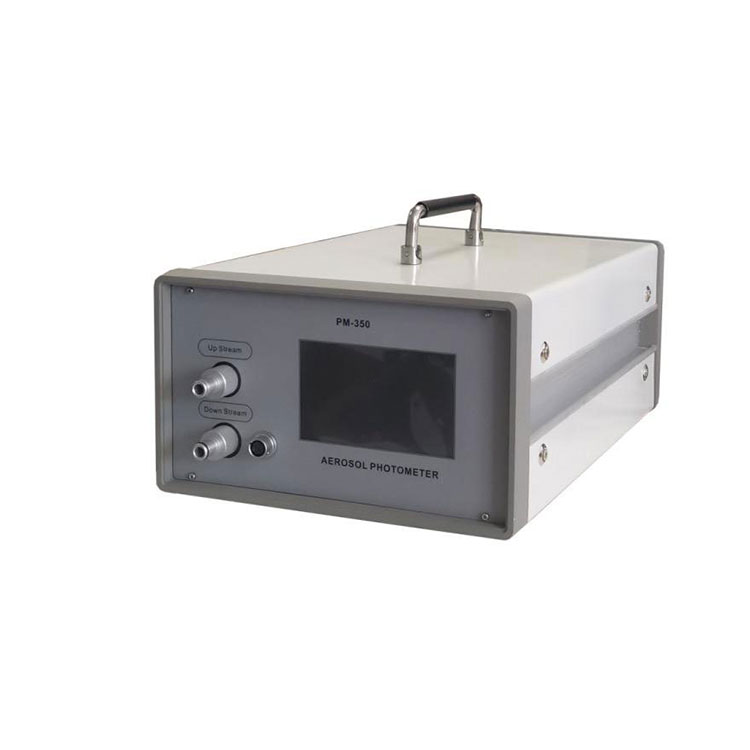
What Is an Aerosol Photometer?
An Aerosol Photometer is a scientific instrument used to measure the concentration of aerosol particles suspended in air or gas. It works by detecting light scattered by particles when they pass through a sensing chamber illuminated by a light source.
The device converts scattered light signals into electrical data, allowing users to determine aerosol concentration quickly and accurately. Because of its sensitivity and speed, the Aerosol Photometer is widely used in:
-
HEPA and ULPA filter leak testing
-
Cleanroom certification
-
Pharmaceutical manufacturing environments
-
Nuclear and biosafety laboratories
-
HVAC system performance testing
These applications require precise monitoring of airborne particles to maintain strict cleanliness standards.
How Does an Aerosol Photometer Work?
The working principle of an Aerosol Photometer is based on light scattering technology. When aerosol particles pass through a beam of light, they scatter the light in different directions depending on their size and concentration.
Basic Working Process
-
Aerosol Sampling – Air containing aerosol particles enters the instrument.
-
Light Illumination – A high-intensity light source illuminates the sample.
-
Particle Scattering – Aerosol particles scatter the light.
-
Signal Detection – Optical sensors capture the scattered light.
-
Data Processing – The instrument converts the signal into concentration readings.
This process allows the Aerosol Photometer to provide real-time measurements with high sensitivity.
Key Components of an Aerosol Photometer
Understanding the core components helps explain why an Aerosol Photometer provides such accurate measurements.
| Component | Function |
|---|---|
| Light Source | Provides a stable beam for particle detection |
| Optical Chamber | Area where aerosol particles scatter light |
| Photodetector | Captures scattered light signals |
| Signal Processor | Converts optical signals into measurement data |
| Display Interface | Shows aerosol concentration results |
Modern systems from Beijing Zetron Technology Co., Ltd. integrate advanced electronics and intelligent software to ensure reliable measurement performance.
Why Is an Aerosol Photometer Important?
Airborne particle monitoring is essential in many industries. An Aerosol Photometer helps ensure environmental safety, product quality, and regulatory compliance.
Major Benefits
-
High Sensitivity – Detects extremely small aerosol concentrations.
-
Real-Time Monitoring – Provides immediate results for rapid decision-making.
-
Reliable Leak Detection – Identifies filtration system leaks quickly.
-
Regulatory Compliance – Supports standards such as ISO and cleanroom regulations.
-
Improved Safety – Protects workers from hazardous airborne contaminants.
For facilities operating in controlled environments, the Aerosol Photometer becomes an indispensable quality control tool.
Common Applications of Aerosol Photometers
The Aerosol Photometer is used across a wide range of industries where air purity and filtration performance are critical.
1. Cleanroom Certification
Pharmaceutical, semiconductor, and biotechnology industries rely on cleanrooms. Aerosol Photometers verify that HEPA filters maintain the required cleanliness levels.
2. HEPA/ULPA Filter Leak Testing
One of the most common uses of an Aerosol Photometer is identifying leaks in high-efficiency filtration systems.
3. Environmental Monitoring
Air quality researchers use aerosol measurement to track pollution and atmospheric particle levels.
4. Industrial Safety
Factories handling chemicals, powders, or biological materials require continuous aerosol monitoring to protect workers.
5. Nuclear and Biosafety Laboratories
Highly controlled environments depend on Aerosol Photometers to ensure containment systems function correctly.
Aerosol Photometer vs Particle Counter
Although both devices measure airborne particles, their purposes differ.
| Feature | Aerosol Photometer | Particle Counter |
|---|---|---|
| Measurement Type | Measures aerosol concentration | Counts individual particles |
| Primary Use | Filter leak testing | Cleanroom particle monitoring |
| Sensitivity | High for aerosol concentration | High for particle size distribution |
| Response Time | Very fast | Fast |
In many cases, facilities use both instruments together to achieve comprehensive air monitoring.
How to Choose the Right Aerosol Photometer
Selecting the right Aerosol Photometer depends on application requirements and environmental conditions.
Key Selection Factors
-
Detection Sensitivity
-
Measurement Range
-
Portability
-
Calibration Stability
-
Data Recording Capability
-
Compliance with Industry Standards
Manufacturers such as Beijing Zetron Technology Co., Ltd. offer professional solutions designed for different industries, ensuring high accuracy and reliability.
Advantages of Modern Aerosol Photometer Technology
Recent technological advancements have significantly improved Aerosol Photometer performance.
Modern Features
-
Digital signal processing
-
High-precision optical sensors
-
Portable and lightweight design
-
Touchscreen interfaces
-
Automated calibration systems
These innovations allow technicians to perform faster and more reliable aerosol measurements.
Best Practices for Using an Aerosol Photometer
To ensure accurate results, operators should follow proper measurement procedures.
Recommended Practices:
-
Calibrate the instrument regularly
-
Maintain clean optical components
-
Use appropriate aerosol test agents
-
Follow standardized testing procedures
-
Record measurement data for traceability
Proper operation ensures the Aerosol Photometer maintains long-term accuracy and reliability.
Future Trends in Aerosol Monitoring
As industries demand higher environmental standards, the role of the Aerosol Photometer will continue to expand. Emerging trends include:
-
Integration with smart monitoring systems
-
IoT-based air quality tracking
-
Advanced AI-assisted data analysis
-
Higher sensitivity detection technologies
These developments will enable more precise aerosol monitoring across scientific, industrial, and environmental applications.
Conclusion
The Aerosol Photometer is a vital instrument for detecting aerosol concentration and verifying filtration system performance. Its ability to deliver real-time, highly sensitive measurements makes it indispensable in cleanroom validation, environmental monitoring, and industrial safety applications.
With continuous technological innovation, companies such as Beijing Zetron Technology Co., Ltd. are leading the way in providing advanced aerosol monitoring equipment designed for precision, reliability, and compliance with global standards.
If you are looking for high-quality Aerosol Photometer solutions for cleanroom testing, filter integrity verification, or environmental monitoring, Beijing Zetron Technology Co., Ltd. can provide professional instruments tailored to your needs. Contact us today to learn more about our advanced aerosol measurement technologies and discover how our solutions can improve the accuracy and efficiency of your testing processes.