

How to Choose the Right Wide Mouth Reagent Bottle for Safe Chemical Storage?
2026-05-28
Proper chemical storage is critical in laboratories, industrial facilities, research centers, pharmaceutical environments, and educational institutions. A high-quality Wide Mouth Reagent Bottle improves chemical handling efficiency, reduces contamination risks, and enhances operational safety. This guide explains how to select the right bottle material, capacity, sealing system, and application type while helping buyers avoid common purchasing mistakes.
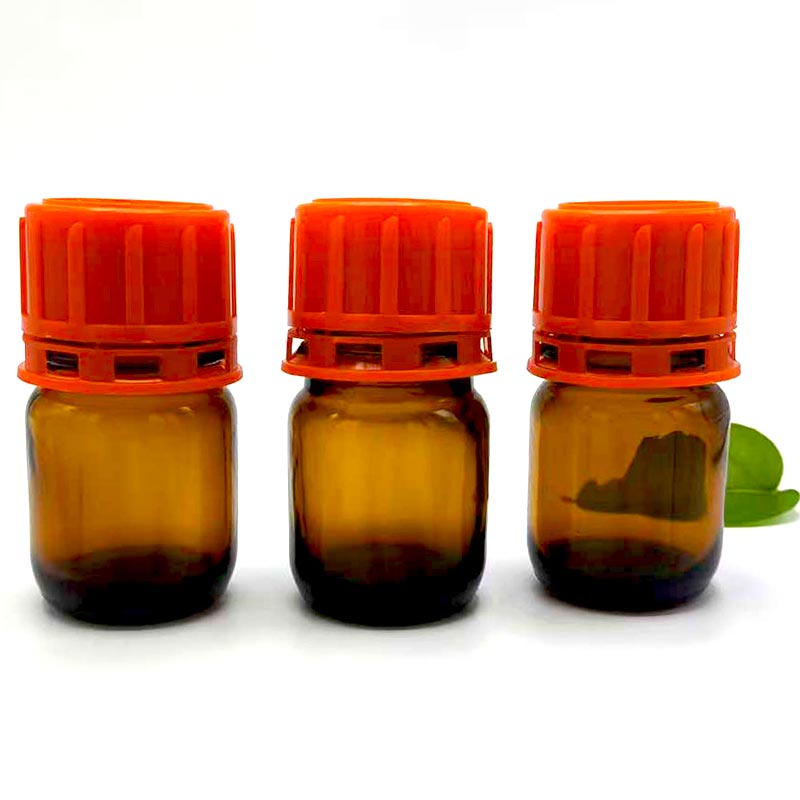
Table of Contents
- What Is a Wide Mouth Reagent Bottle?
- Why Proper Chemical Storage Matters
- Common Materials Used in Wide Mouth Reagent Bottles
- Main Applications Across Industries
- How to Choose the Right Bottle
- Common Buying Mistakes to Avoid
- Cleaning and Maintenance Tips
- Wide Mouth vs Narrow Mouth Bottles
- FAQ
- Conclusion
What Is a Wide Mouth Reagent Bottle?
A Wide Mouth Reagent Bottle is a laboratory storage container specifically designed with a larger opening for easy filling, pouring, mixing, and cleaning. These bottles are widely used for storing powders, liquids, granules, viscous substances, and chemical reagents.
Compared with standard narrow-neck bottles, wide mouth designs allow users to transfer materials more efficiently while minimizing spills and contamination. They are especially useful when handling solid chemicals or when frequent access to contents is required.
| Feature | Benefit |
|---|---|
| Wide Opening | Easy filling and cleaning |
| Leak-Resistant Cap | Prevents chemical leakage |
| Chemical Resistance | Suitable for aggressive substances |
| Durable Construction | Long service life |
Why Proper Chemical Storage Matters
Improper storage can lead to chemical degradation, contamination, evaporation, safety hazards, and financial losses. Laboratories and industrial users must select storage containers compatible with the chemicals they handle.
A poor-quality reagent bottle may crack, leak, or react with stored substances. This can compromise experiments, damage equipment, and create dangerous working conditions.
Choosing the correct Wide Mouth Reagent Bottle helps users:
- Maintain chemical purity
- Reduce contamination risks
- Improve laboratory organization
- Enhance operator safety
- Extend storage life of chemicals
- Support regulatory compliance
For industries handling sensitive or hazardous chemicals, storage reliability is not optional—it is essential for operational continuity and workplace safety.
Common Materials Used in Wide Mouth Reagent Bottles
Different applications require different bottle materials. Understanding material properties is critical before purchasing.
| Material | Advantages | Typical Applications |
|---|---|---|
| HDPE | Excellent chemical resistance | Industrial chemicals |
| PP | Heat resistance and durability | Laboratory reagents |
| Glass | High transparency and purity | Analytical laboratories |
| Amber Glass | UV protection | Light-sensitive chemicals |
Plastic bottles are lightweight and impact-resistant, while glass bottles provide superior chemical stability for high-purity applications.
Main Applications Across Industries
Wide Mouth Reagent Bottles are used across multiple industries because of their versatility and secure storage capabilities.
- Chemical laboratories
- Pharmaceutical manufacturing
- Food testing laboratories
- Research institutions
- Educational laboratories
- Environmental testing facilities
- Industrial production plants
- Biotechnology companies
Their wide opening design allows operators to store powders, tablets, viscous liquids, granules, biological samples, and chemical solutions efficiently.
How to Choose the Right Bottle
Selecting the right Wide Mouth Reagent Bottle involves more than simply choosing a size. Buyers should evaluate several technical factors.
1. Chemical Compatibility
Always verify whether the bottle material is compatible with the chemical being stored. Some aggressive solvents can degrade plastics over time.
2. Capacity Requirements
Choose bottle sizes according to laboratory workflow and storage volume requirements. Common capacities range from 30ml to several liters.
3. Cap Sealing Performance
A high-quality cap prevents leakage, moisture entry, and evaporation. Leak-proof sealing is especially important for volatile substances.
4. Transparency Needs
Transparent bottles help users visually monitor contents, while amber bottles protect light-sensitive materials.
5. Temperature Resistance
If sterilization or high-temperature environments are involved, choose materials capable of withstanding heat without deformation.
Common Buying Mistakes to Avoid
Many buyers focus only on price and overlook important performance factors. This often results in product failure and additional operational costs.
| Mistake | Potential Problem |
|---|---|
| Ignoring chemical compatibility | Bottle degradation or leakage |
| Choosing poor-quality caps | Evaporation and contamination |
| Using incorrect bottle size | Storage inefficiency |
| Overlooking UV sensitivity | Chemical instability |
Cleaning and Maintenance Tips
Proper maintenance extends the lifespan of reagent bottles and preserves chemical integrity.
- Clean bottles immediately after use
- Use compatible cleaning agents
- Inspect caps and seals regularly
- Avoid excessive mechanical impact
- Store bottles away from direct sunlight when necessary
- Label all containers clearly
Routine inspection helps identify cracks, deformation, or seal wear before failures occur.
Wide Mouth vs Narrow Mouth Bottles
| Feature | Wide Mouth Bottle | Narrow Mouth Bottle |
|---|---|---|
| Access | Easy access | Limited access |
| Powder Storage | Excellent | Less convenient |
| Cleaning | Simple | More difficult |
| Pouring Precision | Moderate | Higher precision |
FAQ
Can Wide Mouth Reagent Bottles store corrosive chemicals?
Yes, but the bottle material must be chemically compatible with the corrosive substance being stored.
Why choose amber reagent bottles?
Amber bottles help protect light-sensitive chemicals from UV exposure, reducing degradation risks.
Are plastic reagent bottles reusable?
High-quality plastic reagent bottles can be reused if they are properly cleaned and remain structurally intact.
What industries commonly use Wide Mouth Reagent Bottles?
They are widely used in laboratories, pharmaceutical manufacturing, biotechnology, food testing, and industrial chemical storage.
How can I prevent chemical contamination?
Use clean bottles, secure caps properly, and avoid mixing incompatible substances in the same container.
Conclusion
Selecting the right Wide Mouth Reagent Bottle is essential for safe chemical handling, contamination prevention, and efficient laboratory operations. Buyers should carefully evaluate material compatibility, sealing performance, transparency requirements, and application environments before making a purchasing decision.
Reliable reagent storage solutions improve operational efficiency while reducing safety risks and maintenance costs. Whether used in laboratories, industrial facilities, or pharmaceutical environments, high-quality reagent bottles provide long-term value and dependable performance.
Kangbo — Professional Reagent Bottle Manufacturer
Kangbo specializes in high-quality laboratory plastic packaging products, including durable Wide Mouth Reagent Bottles designed for demanding industrial and laboratory applications.
If you are looking for reliable chemical storage solutions, bulk orders, or customized reagent bottles, contact us today and the Kangbo team will provide professional support for your business needs.