

How Does an Instrument Transformer Improve Electrical Measurement Accuracy?
2026-03-16
Article Summary
Modern electrical systems operate at extremely high voltages and currents. Directly measuring these values using standard instruments is unsafe and impractical. An Instrument Transformer solves this problem by converting high electrical values into manageable levels that meters, relays, and protection devices can safely measure.
This article explains how instrument transformers work, their key types, technical parameters, and how they help industries achieve accurate monitoring and protection. It also outlines common purchasing considerations and answers frequently asked questions to help engineers and buyers choose the right solution.
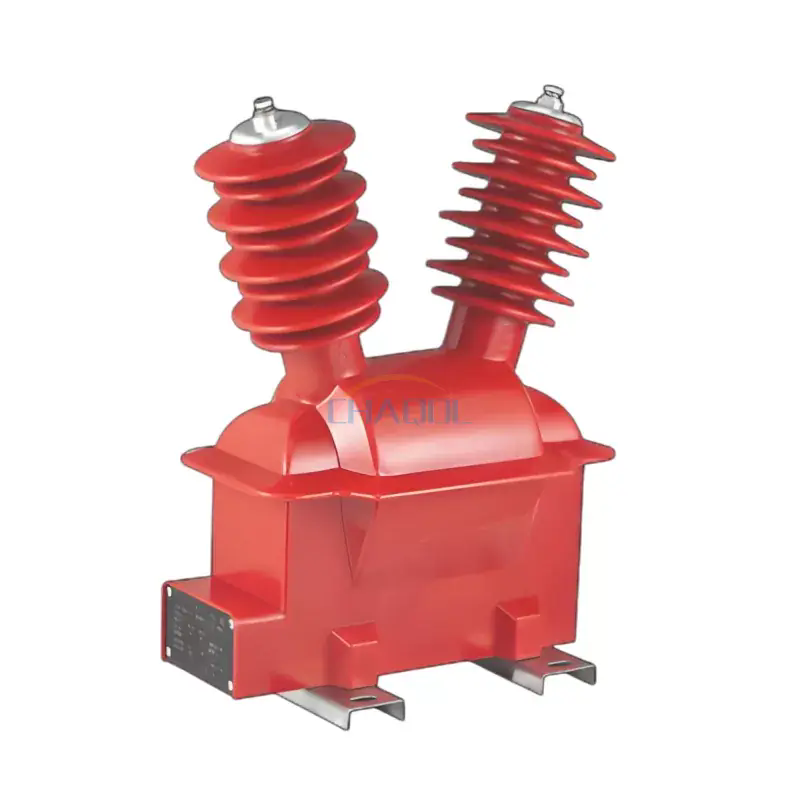
Table of Contents
- How Does an Instrument Transformer Work?
- Why Electrical Systems Require Instrument Transformers
- Types of Instrument Transformers
- Key Technical Parameters
- Main Advantages in Power Systems
- Typical Industrial Applications
- How to Select the Right Instrument Transformer
- Frequently Asked Questions
- Conclusion
Outline
- Introduction to Instrument Transformers
- Operating Principles
- Current Transformers vs Voltage Transformers
- Important Technical Specifications
- Installation and Operational Benefits
- Industrial Applications and Use Cases
- Selection Guidance for Buyers
- FAQs
How Does an Instrument Transformer Work?
An Instrument Transformer is a specialized electrical device designed to convert high voltage or high current values into lower standardized signals that measurement instruments can safely handle. These transformers are essential in electrical substations, industrial power distribution systems, and energy monitoring networks.
The working principle is based on electromagnetic induction. When electrical current flows through the primary winding, it creates a magnetic field inside the transformer core. This magnetic field induces a proportional voltage or current in the secondary winding.
The secondary output is scaled down according to a fixed ratio. Measurement devices such as ammeters, voltmeters, power meters, and protective relays then read these reduced signals while maintaining accurate proportional relationships with the original values.
For example, if a power system carries 1000A current, a current transformer with a ratio of 1000:5 will reduce the measurement signal to 5A, allowing standard instruments to monitor the system safely.
Why Electrical Systems Require Instrument Transformers
Large electrical systems often operate at voltages exceeding tens of kilovolts and currents reaching thousands of amperes. Direct measurement under such conditions presents several serious problems.
- Safety risks for measurement equipment and personnel
- High insulation requirements for measuring instruments
- Limited accuracy when measuring extreme electrical values
- Difficulty integrating protection relays
Instrument transformers address these challenges by isolating measurement devices from high-energy circuits while maintaining accurate electrical ratios. This ensures both safety and precision in monitoring power systems.
Additionally, they enable centralized monitoring, remote control systems, and automated protection mechanisms in modern electrical infrastructure.
Types of Instrument Transformers
Instrument transformers are typically categorized into two main types based on the electrical quantity they measure.
Current Transformers (CT)
Current transformers measure high electrical current levels. They are connected in series with the conductor carrying the current. The transformer converts the primary current into a standardized secondary current such as 5A or 1A.
Current transformers are commonly used in power plants, substations, and industrial distribution panels.
Voltage Transformers (VT) / Potential Transformers (PT)
Voltage transformers measure high voltage levels in electrical systems. They are connected in parallel with the power line and step down the voltage to standardized values such as 100V or 110V.
These transformers are essential for voltage monitoring, power metering, and relay protection circuits.
Key Technical Parameters
Selecting the correct instrument transformer requires careful evaluation of several technical parameters. These specifications determine measurement accuracy, system compatibility, and operational reliability.
| Parameter | Description |
| Rated Primary Current / Voltage | The maximum current or voltage applied to the primary winding. |
| Rated Secondary Output | Standard output values such as 1A, 5A, or 100V used by measurement instruments. |
| Accuracy Class | Defines measurement precision levels such as 0.2, 0.5, or 1.0. |
| Burden Capacity | The maximum load that the secondary circuit can support without accuracy loss. |
| Insulation Level | Determines the ability to withstand high voltage and environmental conditions. |
| Frequency Rating | Typically designed for 50Hz or 60Hz power systems. |
Main Advantages in Power Systems
Instrument transformers provide several operational advantages that make them indispensable components in electrical engineering.
- Accurate measurement of high current and voltage
- Electrical isolation between power circuits and monitoring devices
- Enhanced safety for maintenance personnel
- Compatibility with protective relay systems
- Standardized measurement signals for automation systems
High-quality manufacturers such as Anqiang design instrument transformers with stable insulation systems, durable magnetic cores, and strict quality control processes to ensure long-term reliability in demanding environments.
Typical Industrial Applications
Instrument transformers are widely used across multiple industries where accurate electrical monitoring is essential.
- Power generation plants
- Electrical substations
- Industrial manufacturing facilities
- Renewable energy systems
- Commercial building power management
- Smart grid infrastructure
In large-scale energy systems, hundreds of instrument transformers may be deployed to monitor voltage levels, current flow, and power quality across different distribution points.
How to Select the Right Instrument Transformer
Choosing the right instrument transformer requires evaluating several operational and environmental factors. Engineers should carefully analyze system requirements before purchasing.
- Determine the primary current or voltage level
- Select the required accuracy class
- Confirm secondary output compatibility with meters
- Evaluate insulation and temperature requirements
- Check installation type such as indoor or outdoor
- Ensure compliance with industry standards
Reliable suppliers provide detailed specifications, engineering support, and testing documentation to ensure the transformer meets the specific application needs.
Frequently Asked Questions
Q1: What is the main purpose of an instrument transformer?
Its primary purpose is to safely measure high voltage or current in electrical systems by converting them into lower standardized values suitable for meters and protection devices.
Q2: What is the difference between a current transformer and a voltage transformer?
A current transformer measures electrical current and is connected in series with the circuit, while a voltage transformer measures voltage and is connected in parallel with the circuit.
Q3: Why is accuracy class important?
Accuracy class indicates the measurement precision of the transformer. Lower numerical values represent higher measurement accuracy, which is critical for billing, monitoring, and protection systems.
Q4: Can instrument transformers improve electrical system safety?
Yes. By isolating measurement devices from high voltage circuits, they significantly reduce the risk of equipment damage and electrical hazards.
Conclusion
Instrument transformers play a critical role in modern electrical infrastructure. By converting high current and voltage into measurable signals, they enable accurate monitoring, safe operation, and reliable protection of power systems.
With growing demand for energy efficiency, grid stability, and intelligent monitoring systems, the importance of high-quality instrument transformers continues to increase across power generation, industrial facilities, and smart grid networks.
If you are looking for reliable measurement transformers designed for performance and long-term stability, Anqiang provides professional solutions tailored to industrial and utility power systems. Our engineering team is ready to assist with product selection, technical consultation, and customized solutions. Contact us today to discuss your project requirements and discover the right instrument transformer for your application.