

How Does a Cleanliness Tester Improve Industrial Quality Control?
2026-07-09
In modern manufacturing, product cleanliness has become a critical factor that directly affects performance, reliability, and customer satisfaction. From automotive components and precision machinery parts to aerospace systems and medical devices, even microscopic contaminants can lead to equipment failure, reduced product lifespan, and increased maintenance costs. A Cleanliness Tester provides an advanced solution for detecting, measuring, and analyzing contaminants, helping manufacturers maintain strict quality standards and optimize production processes. With professional experience and innovative technology, SuZhou Kolymo Precison Machinery Co.,Ltd. provides reliable cleanliness testing solutions designed to support high-precision industries worldwide.
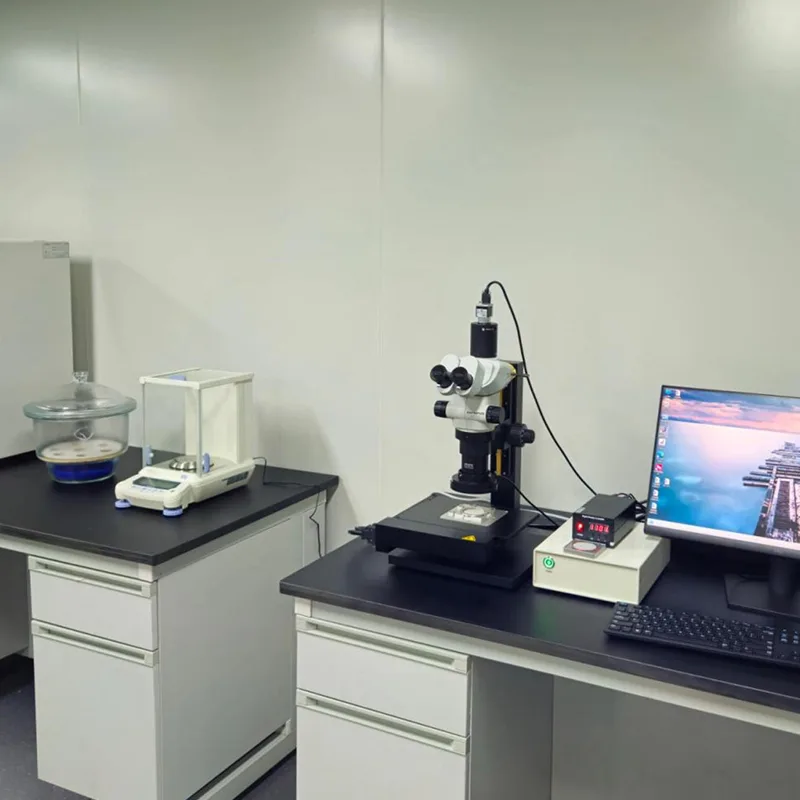
What Is a Cleanliness Tester?
A Cleanliness Tester is a specialized inspection device used to evaluate the level of contamination on industrial components. It can identify particles such as metal debris, dust, oil residue, fibers, and other unwanted substances that may remain after machining, cleaning, or assembly processes.
Unlike traditional visual inspection methods, cleanliness testing equipment uses advanced technologies such as filtration, extraction, microscopic analysis, and automated measurement systems to provide accurate and repeatable results.
In industries where precision is essential, cleanliness testing is not only a quality inspection step but also a necessary process to guarantee product safety and operational reliability.
Why Is Cleanliness Testing Important in Manufacturing?
Contamination control has become increasingly important as industrial products become smaller, more precise, and more complex. A tiny particle inside a hydraulic system, engine component, or electronic device may cause serious damage.
The main reasons manufacturers require a Cleanliness Tester include:
| Importance | Description |
|---|---|
| Improve Product Reliability | Removes potential contamination risks that may cause component failure |
| Ensure Quality Standards | Helps manufacturers meet strict cleanliness requirements |
| Reduce Production Costs | Prevents recalls, repairs, and unnecessary maintenance expenses |
| Increase Customer Confidence | Provides reliable inspection data and quality assurance |
| Optimize Manufacturing Processes | Identifies contamination sources during production |
By integrating cleanliness testing into production lines, companies can detect problems earlier and improve overall manufacturing efficiency.
How Does a Cleanliness Tester Work?
A professional Cleanliness Tester usually follows several important testing steps:
1. Sample Preparation
The component to be tested is carefully prepared to avoid introducing additional contamination. Proper handling ensures accurate testing results.
2. Contaminant Extraction
The tester uses cleaning fluid or specialized extraction methods to remove particles from the surface or internal areas of the component.
3. Filtration Process
The extracted liquid passes through a precision filter that collects contaminants. The filter captures particles of different sizes for further analysis.
4. Particle Analysis
Advanced optical systems or microscopes analyze the collected particles. The system measures particle size, quantity, distribution, and contamination level.
5. Data Recording and Evaluation
The testing results are recorded and compared with industry standards, allowing manufacturers to evaluate product cleanliness and improve production control.
What Are the Main Applications of Cleanliness Tester?
A Cleanliness Tester is widely used in industries where component precision and reliability are essential.
Automotive Industry
Automotive manufacturers use cleanliness testing for:
- Engine parts
- Fuel injection systems
- Transmission components
- Brake systems
- Hydraulic components
Removing contamination helps improve vehicle safety and extends component service life.
Aerospace Industry
Aerospace equipment requires extremely high cleanliness standards. Even a small particle can affect critical systems. Cleanliness testers help ensure aircraft components meet strict reliability requirements.
Medical Equipment Manufacturing
Medical devices must maintain excellent hygiene and contamination control. Cleanliness testing supports safer medical products and compliance with quality regulations.
Precision Machinery Industry
For high-precision machinery, contamination can affect movement accuracy and operational stability. Cleanliness testing helps maintain consistent product performance.
What Are the Advantages of Using a Professional Cleanliness Tester?
Choosing an advanced cleanliness inspection system provides multiple benefits for manufacturers.
Accurate Contamination Measurement
A high-quality Cleanliness Tester can detect tiny particles that cannot be identified through normal inspection methods. This improves testing accuracy and reduces quality risks.
Efficient Quality Control
Automated testing functions reduce manual inspection time and improve production efficiency. Manufacturers can obtain reliable results faster.
Better Production Management
Testing data allows engineers to identify contamination sources and improve cleaning processes, machining conditions, and assembly procedures.
Compliance with Industry Requirements
Many industries require strict cleanliness levels. Professional testing equipment helps companies meet international quality standards and customer expectations.
Cleanliness Tester vs Traditional Inspection Methods
Traditional inspection methods often depend on human observation, which may not detect microscopic contamination. A modern Cleanliness Tester provides a more scientific and reliable approach.
| Comparison | Traditional Inspection | Cleanliness Tester |
|---|---|---|
| Detection Ability | Limited to visible contamination | Detects microscopic particles |
| Accuracy | Depends on operator experience | High precision and repeatability |
| Testing Speed | Usually slower | Faster automated analysis |
| Data Management | Limited records | Digital data storage and reporting |
| Quality Control | Basic inspection | Comprehensive contamination analysis |
For manufacturers pursuing higher quality standards, upgrading from traditional inspection methods to professional cleanliness testing equipment is an effective choice.
How Does SuZhou Kolymo Precison Machinery Co.,Ltd. Support Customers?
SuZhou Kolymo Precison Machinery Co.,Ltd. focuses on providing precision testing solutions that meet the needs of modern manufacturing industries. The company combines advanced technology, strict quality management, and professional engineering experience to develop reliable Cleanliness Tester solutions.
The company understands that different industries have different cleanliness requirements. Therefore, customized testing solutions can help customers achieve better inspection performance and production efficiency.
Key advantages include:
- High-precision testing capability
- Reliable equipment performance
- Professional technical support
- Adaptable solutions for different industries
- Focus on long-term customer value
With continuous innovation and commitment to quality, SuZhou Kolymo Precison Machinery Co.,Ltd. helps manufacturers improve product reliability and strengthen their quality control systems.
How to Choose the Right Cleanliness Tester?
Selecting suitable cleanliness testing equipment requires considering several factors:
| Selection Factor | Key Considerations |
|---|---|
| Testing Requirements | Particle size range and contamination level |
| Industry Application | Automotive, aerospace, medical, or machinery needs |
| Testing Accuracy | Required precision and repeatability |
| Data Function | Reporting, storage, and analysis capabilities |
| Production Scale | Manual, semi-automatic, or fully automatic operation |
A suitable Cleanliness Tester should match both current production requirements and future development goals.
What Are the Future Trends of Cleanliness Testing Technology?
As manufacturing continues to move toward automation and precision production, cleanliness testing technology is also developing rapidly.
Future trends include:
- More intelligent automated inspection systems
- Faster particle detection technology
- Digital quality management integration
- Improved testing accuracy
- Real-time production monitoring
These advancements will help manufacturers achieve higher efficiency and stronger quality control throughout the production process.
Conclusion
A Cleanliness Tester plays an essential role in modern industrial quality management by detecting contamination, improving product reliability, and supporting strict manufacturing standards. Whether used in automotive, aerospace, medical, or precision machinery industries, cleanliness testing equipment helps companies reduce risks and enhance competitiveness.
SuZhou Kolymo Precison Machinery Co.,Ltd. provides professional cleanliness testing solutions designed to meet the evolving needs of global manufacturers. With advanced technology and customer-focused service, the company is committed to helping businesses achieve higher production quality and operational efficiency. If you are looking for reliable cleanliness inspection solutions or customized testing equipment, please contact us today for professional support and a suitable solution for your application.