

Can a Two Phase Three Wire Modbus RTU Energy Meter Simplify Complex Energy Management Systems
2026-03-11
In the evolving landscape of industrial and commercial energy monitoring, the Two Phase Three Wire Modbus RTU Energy Meter has emerged as a critical component for facility managers seeking streamlined operations. Gomelong specializes in advanced metering solutions that address the growing demand for precision and simplicity in energy management systems. This article explores whether this specific meter configuration can truly reduce complexity while delivering reliable data.
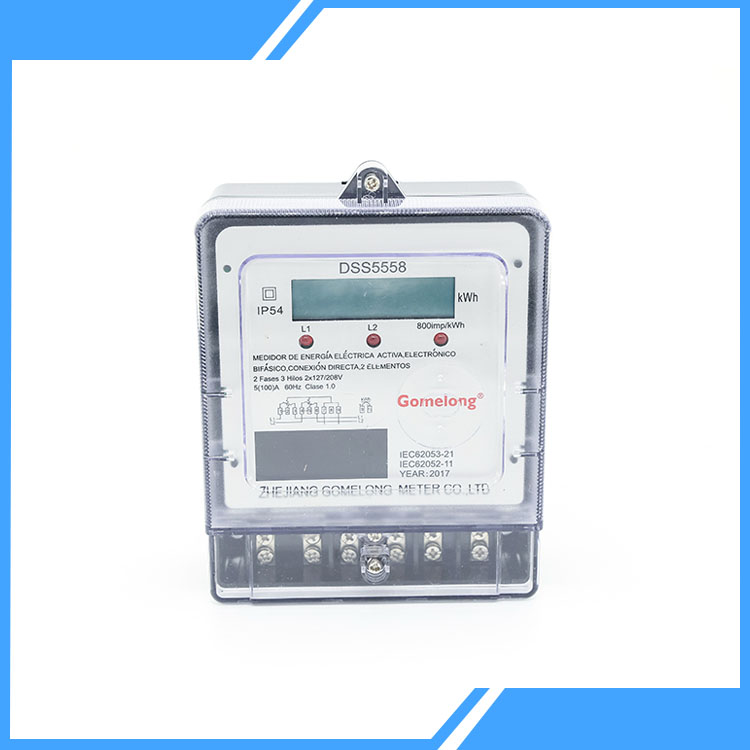
Understanding the Technology
The Two Phase Three Wire Modbus RTU Energy Meter combines a specialized electrical service configuration with robust industrial communication protocols. Unlike standard single-phase meters, this design accommodates specific power distribution scenarios commonly found in commercial buildings and light industrial applications.
| Feature | Benefit |
|---|---|
| Two Phase Three Wire Configuration | Compatible with legacy wiring while providing modern accuracy |
| Modbus RTU Protocol | Enables seamless integration with existing SCADA and BMS systems |
| High Precision Measurement | Reduces need for multiple metering points |
Key Advantages for Energy Management
Implementing a Two Phase Three Wire Modbus RTU Energy Meter from Gomelong offers several distinct advantages that directly address complexity challenges:
-
Centralized Data Collection: Modbus RTU allows multiple meters to communicate on a single bus, eliminating separate wiring runs for each device
-
Reduced Installation Time: The two-phase design requires fewer components than equivalent three-phase installations
-
Compatible Retrofit Solution: Works with existing two-phase infrastructure without panel upgrades
Integration Capabilities
Modern energy management requires seamless connectivity. The Two Phase Three Wire Modbus RTU Energy Meter excels in this area through standardized communication protocols that interface with major building automation platforms.
Gomelong meters support:
-
Direct integration with popular BMS platforms
-
Customizable data mapping for specific monitoring needs
-
Remote configuration and firmware updates
Installation Considerations
Proper deployment ensures maximum benefit from your Two Phase Three Wire Modbus RTU Energy Meter. Key factors include:
-
Verify supply voltage matches meter specifications
-
Confirm wiring configuration matches the two-phase three-wire standard
-
Set appropriate Modbus address and baud rate before installation
-
Test communication with the central system prior to full commissioning
Performance Metrics
When evaluating a Two Phase Three Wire Modbus RTU Energy Meter, consider these performance indicators:
| Parameter | Typical Specification |
|---|---|
| Accuracy Class | 0.5 or better |
| Communication Distance | Up to 1200 meters with proper termination |
| Data Parameters | Voltage, Current, Power, Energy, Frequency |
Frequently Asked Questions
What makes a Two Phase Three Wire Modbus RTU Energy Meter different from standard meters?
The Two Phase Three Wire Modbus RTU Energy Meter is specifically designed for electrical systems that use two live phases and a neutral, commonly found in North American commercial applications. Unlike standard single-phase meters, it accurately measures power across both phases simultaneously while maintaining phase angle relationships. This ensures correct billing and load monitoring in facilities with 120/240V split-phase services or certain 208V two-phase configurations.
Can a Two Phase Three Wire Modbus RTU Energy Meter integrate with existing building management systems?
Yes, absolutely. Gomelong meters utilize the industry-standard Modbus RTU protocol over RS-485 communication. This allows direct connection to most major building management systems including Siemens, Johnson Controls, and Schneider Electric platforms. The meter presents data in standard register maps that can be easily mapped within the BMS software without requiring proprietary gateways or protocol converters.
How difficult is it to install a Two Phase Three Wire Modbus RTU Energy Meter compared to other options?
Installation complexity is generally moderate but significantly simpler than adding three-phase infrastructure to an existing two-phase system. The Two Phase Three Wire Modbus RTU Energy Meter typically requires connection to the two phase conductors, neutral, and communication wiring. Most installations can be completed in under two hours by a qualified electrician familiar with metering equipment. Gomelong provides comprehensive wiring diagrams and technical support to ensure proper installation.
Cost-Benefit Analysis
The financial case for implementing Two Phase Three Wire Modbus RTU Energy Meter solutions becomes clear when analyzing long-term operational savings:
-
Reduced meter count through accurate two-phase measurement
-
Lower wiring costs with daisy-chained Modbus communication
-
Decreased troubleshooting time with remote monitoring capabilities
-
Improved load balancing through detailed phase-by-phase data
Future-Proofing Your System
Gomelong designs Two Phase Three Wire Modbus RTU Energy Meter products with forward compatibility in mind. As energy management requirements evolve, these meters provide:
-
Expandable communication options
-
Firmware upgradeability
-
Compatibility with emerging energy standards
-
Scalable architecture for growing facilities
Conclusion
The Two Phase Three Wire Modbus RTU Energy Meter from Gomelong represents a practical solution for organizations seeking to simplify their energy management systems without compromising data quality. By combining appropriate hardware configuration with proven communication protocols, these meters reduce installation complexity, lower maintenance requirements, and provide actionable insights for energy optimization.
Contact us today to discuss your specific application requirements. Our technical team can recommend the ideal Two Phase Three Wire Modbus RTU Energy Meter configuration for your facility and provide implementation support.